
Finding Huntersville Residents From Records
There is no single official household roll for Huntersville. Start with a source keyed to the fact at hand. A current street address points first to county property and GIS records. A full name can be checked against the state voter search, then compared with a parcel, a deed party, or a public court result. For a former household, selected Mecklenburg directories, yearbooks, newspapers, and the Carolina Room offer dated clues. Each record has a narrower purpose than a general people list, which is why two independent matches matter.
Owners, registered voters, deed parties, and court parties are not interchangeable groups. A parcel can have an out-of-town mailing address. A voter result does not prove present occupancy. A deed records an interest in land, not every person at that address. Family members, guests, and protected participants may not appear in the ordinary trail.
- For an address, locate the parcel and save its PID, owner, situs address, mailing address, and legal description.
- For a name, use the North Carolina voter lookup with the county and status controls, then compare the returned record with a separate source.
- Search the current owner or a known party in the Register of Deeds indexes, checking both grantor and grantee sides when a land transfer matters.
- For an earlier household, inspect selected city-directory years, yearbooks, newspapers, and maps held through the Carolina Room.
- When the needed record is not online, request the existing record from the town, county, clerk, or state custodian with a date range and clear description.
Note: A consistent name, address, and date across two records is stronger than a single search result.
Huntersville Resident Records Offices
Huntersville town records begin with the Town Clerk for agendas, minutes, ordinances, board appointments, and town-held administration. Most resident-record research moves to Charlotte because Mecklenburg County is the custodian for deeds, property, courts, elections, and many archives. The Register of Deeds holds recorded land instruments. The Office of Tax Administration and GIS connect parcels to owners and address fields. The State Board of Elections handles the public voter lookup, while the Mecklenburg Board of Elections is the local route for voter-file requests.
Mecklenburg Register of Deeds
720 East Fourth Street
Charlotte, NC
Weekdays, generally 8:30 a.m. to 4:30 p.m.
Recorded deeds, plats, marriage, and notary material
Office of Tax Administration
Woodard Center, 3205 Freedom Drive, Entrance E
Charlotte, NC
Current property, tax, and parcel gateway
Older material may use former office labels
Mecklenburg Board of Elections
741 Kenilworth Avenue, Suite 202
Charlotte, NC 28204
704-336-2133
Local voter data and request routing
Huntersville Residents and Parcel Fields
Property research works best when three address fields remain separate. The situs address is where the parcel sits. The mailing address is where tax correspondence goes and can be a useful lead for a recorded owner, but it may be a PO Box, business, or address far from Huntersville. The legal description identifies the lot, subdivision, map, or metes-and-bounds description carried into deeds and plats. The PID is the practical bridge when a road name or postal label changes.
The Mecklenburg property search is the county’s current property gateway.
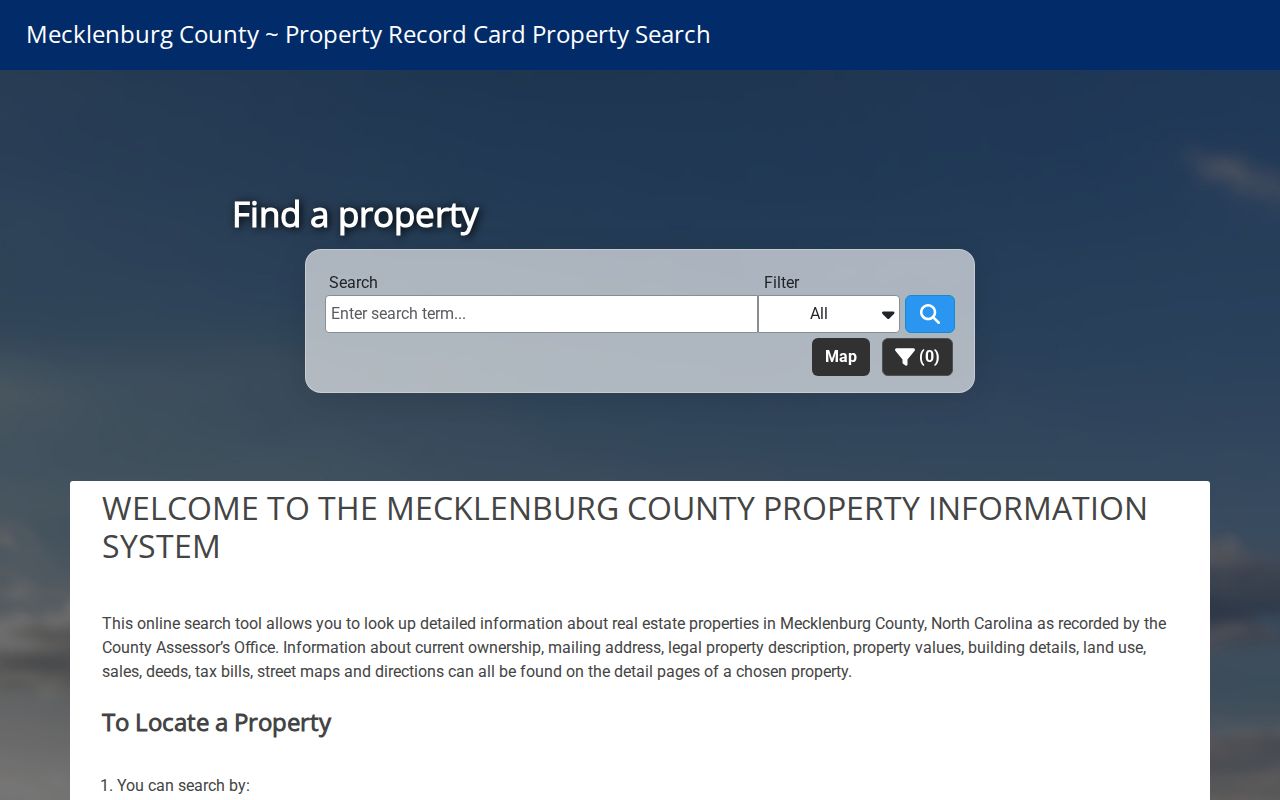
Use a live result to capture the visible parcel fields, then compare the land description with the recorded instrument before drawing a conclusion about ownership.
| Property or GIS field | How to read it |
|---|---|
| Owner name | Recorded owner information, not a complete occupant list. |
| Situs address | The physical location of the parcel or structure. |
| Mailing address | Tax-mail destination, which may differ from the property location. |
| Parcel or PID | Stable county identifier used to bridge GIS, tax, permit, and deed work. |
| Legal description | Lot, plat, subdivision, or metes-and-bounds language used to verify the land. |
POLARIS accepts address, parcel number, owner, or landmark input and adds map overlays. It can corroborate an address, but it is not a certified title record.
Huntersville Residents in Voter Files
The North Carolina voter lookup is a name and status search, not a browseable Huntersville street directory. Enter a first name and last name, select Mecklenburg when it helps, and choose at least one voter status. A middle initial and year of birth can narrow a common name. A returned profile can show public registration details, districts, voting location information, and voting history. History records participation method and county, never candidate choices.
The North Carolina voter lookup shows the required name and status controls.
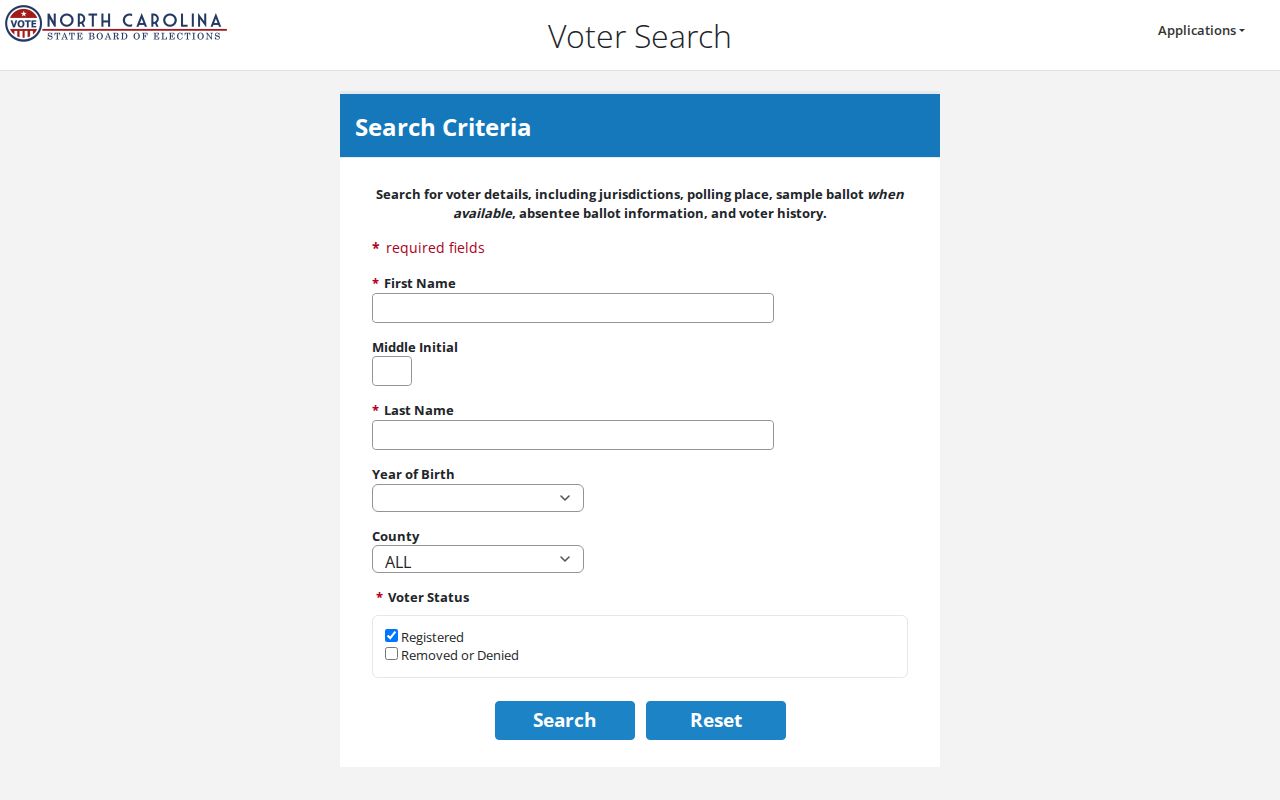
Compare a voter result with a parcel or dated document because a registration address and a current household are not the same thing.
| Lookup field | Requirement or use |
|---|---|
| First Name | Required text field. |
| Middle Initial | Optional aid for distinguishing similar names. |
| Last Name | Required text field. |
| Year of Birth | Optional field. Full date of birth is not public voter-file data. |
| County | Optional selection that can narrow the search to Mecklenburg. |
| Voter Status | At least one of Registered, Removed, or Denied must be selected. |
Current Huntersville Resident Directory Sources
Current sources answer different, limited questions. County property and GIS records identify recorded ownership and parcel facts. The voter route verifies a registration record under state rules. A deed index identifies parties to recorded instruments. A court docket shows a named party in a public case. No source below is a complete list of everyone in Huntersville, and each needs date and address context.
| Current source | Useful record connection | Custodian | Access path |
|---|---|---|---|
| Property and GIS records | Recorded owner, parcel, situs, mailing, legal description | Office of Tax Administration and GIS | Property search and POLARIS |
| Voter lookup or file | Name, status, statutory address and district fields | NCSBE or Mecklenburg Board of Elections | Name/status lookup or targeted file request |
| Recorded deed index | Grantor, grantee, transfer, document reference | Register of Deeds | Modern or historical index, office copies |
| Public court docket | Named parties, events, hearings, public documents | Clerk of Superior Court | eCourts, clerk request, courthouse terminal |
| Permit or code file | Property and work history references | County Code Enforcement | Current portal or archival request |
A commercial people-search category can combine old addresses and third-party feeds, but it can stale-match people with the same name and remove source context. Official records are usually free to inspect online or at a custodian, but a specific copy, certification, or prepared file request can carry an authorized charge.
| Official primary record | Unnamed commercial people-search category |
|---|---|
| Names its custodian, date, and record type. | May combine sources without showing which record controls. |
| Lets a researcher compare the source document or public result. | Can merge same-name people or retain an old address. |
| Has defined request, correction, and confidentiality rules. | May have separate suppression practices and incomplete updates. |
Huntersville Resident Court Results
Huntersville cases are handled through Mecklenburg’s District and Superior Courts. The North Carolina eCourts Portal supports Smart Search and hearing searches using party name, case or citation number, business name, attorney, judicial officer, courtroom, location, and hearing type. A case number is the best disambiguator. The clerk can provide courthouse terminal access and can receive requests for older criminal, civil, estate, and special-proceeding files when the request identifies the record type, party, and file number if known.
The North Carolina courts information service points researchers to statewide court resources and local access.
A portal result is a research lead, not a certified court record. Sealed, expunged, juvenile, adoption, and other restricted records do not make the portal a complete person index.
Huntersville Resident Deed Records
The Mecklenburg modern deed index begins in March 1990 and reaches the present. For a current parcel, search the owner as grantee, read the purchase deed, then search the seller as the next grantee. Capture the grantor, grantee, recording date, book and page or document number, legal description, and map reference. A deed of trust is not a conveyance, so read the document type rather than treating each name match as a sale.
Before March 1990, use the Mecklenburg Historical Records index, which reaches back to 1763. Its instructions use Land, Grantor or Grantee, a year range, Human or Corporation, and a last-name or name-portion search. Results are loosely alphabetized, so try spelling variants and both party roles. The historical service is an informational index and image source; the Register of Deeds remains the authoritative office.
- Roll
- A record set arranged for a defined purpose, such as voter registration, rather than a list of every resident.
- Index
- A finding tool that points to a document, book, page, case, or other underlying record.
- Parcel
- A defined piece of land in the tax and GIS system, usually identified by a PID.
- Criss-cross directory
- A historical reverse directory arranged by address. No authoritative local countywide run was confirmed, so inspect the exact directory book.
Huntersville Resident Vital Record Routes
For a Mecklenburg event, the county Office of Vital Records handles local birth and death records from 1913 to the present through online, mail, and in-person routes. State services handle wider North Carolina requests for birth, adoption, marriage, death, and divorce. These are not interchangeable searches: birth, death, marriage, and divorce records have different eligibility, identity, and certification rules. A historic index or an uncertified abstract may be accessible when a certified copy is not.
The North Carolina Vital Records order forms identify the available service categories.
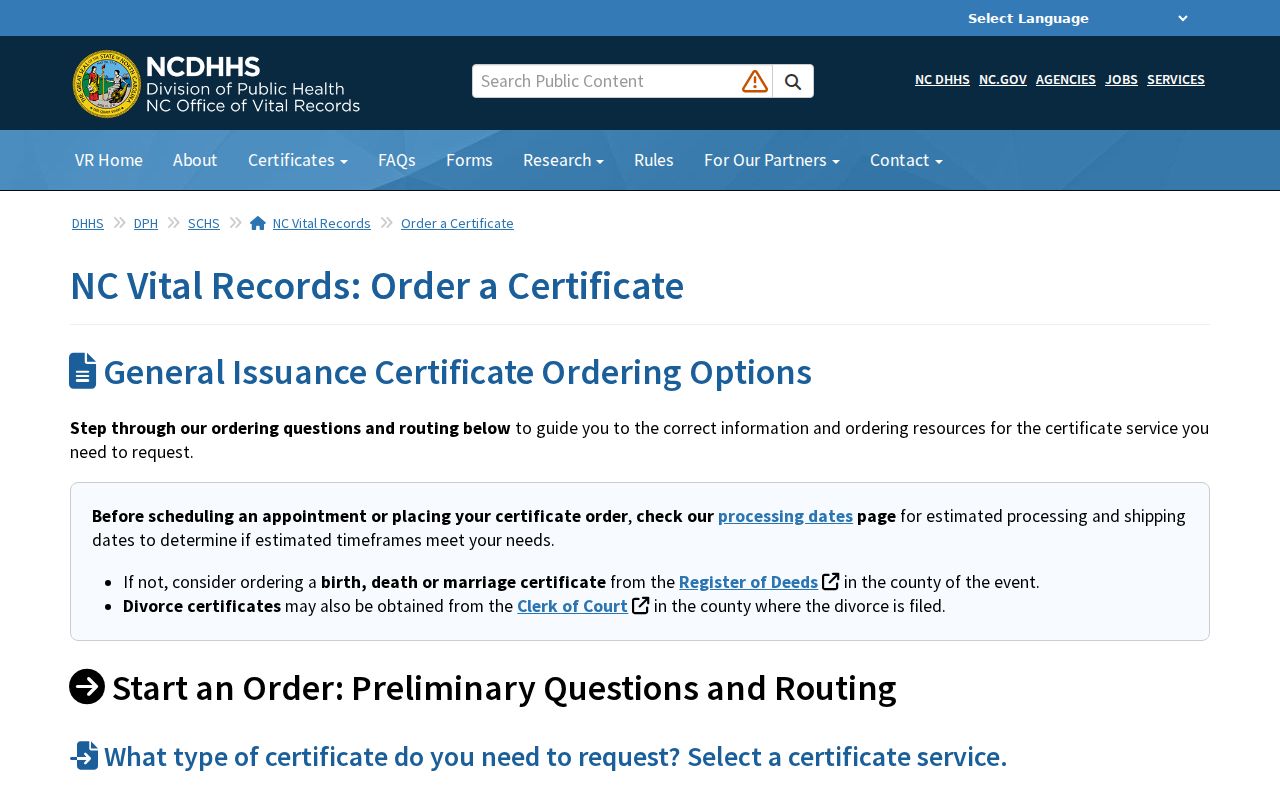
Use the county or state form that matches the event and request type. North Carolina research did not verify a blanket age rule that opens all births or deaths after a fixed number of years.
Huntersville Residents in State Custody Records
The Mecklenburg Sheriff’s resident and arrest inquiry is a limited local lead because the Sheriff reports that online arrest and warrant data changed after the 2022 eWarrants transition. For a state prison, probation, or parole search, use the Department of Adult Correction route, which reports historical coverage back to 1972 and excludes county-jail data. Registered-offender information is also narrower than a full criminal history and must be read as a registration-status record.
The North Carolina offender search resources separate state custody records from local jail material.
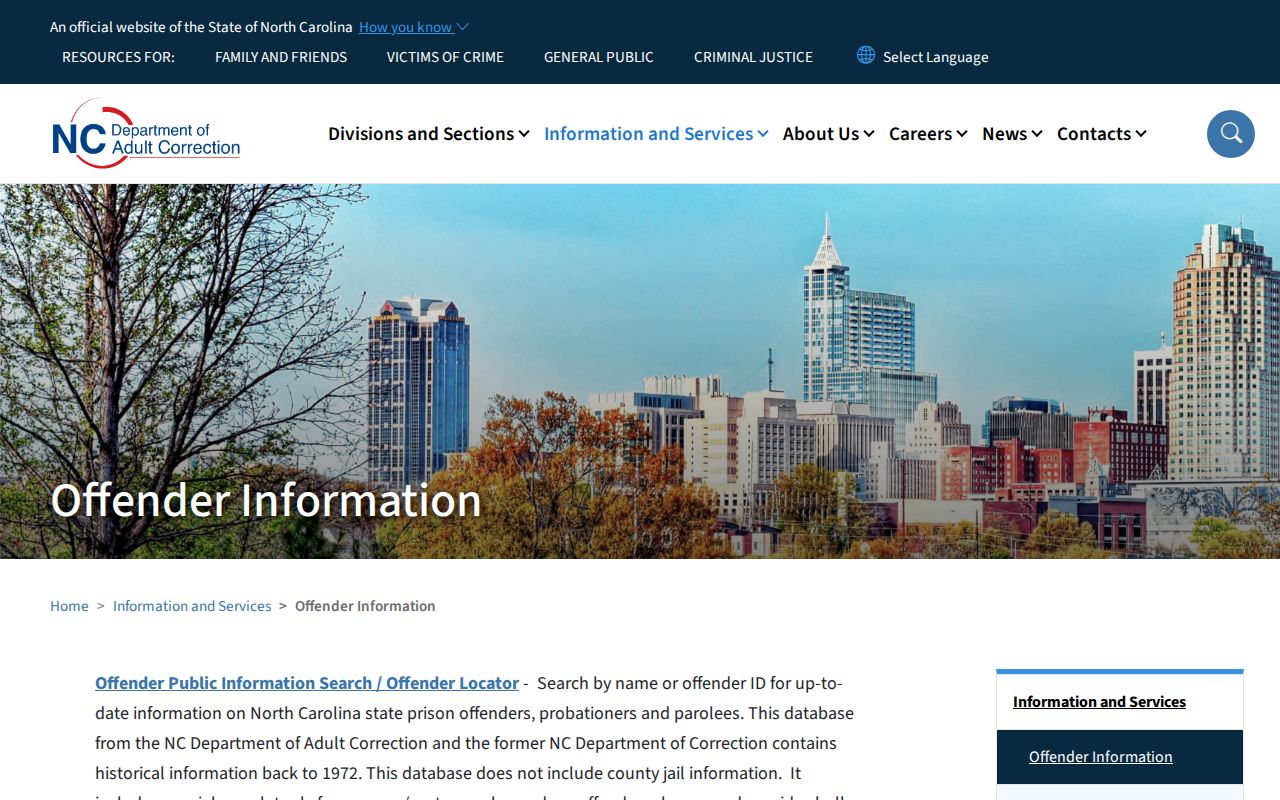
When the local online trail is incomplete, the Sheriff’s public-information route or Arrest Processing is the documented fallback. A charge, arrest entry, or registry listing needs the limits stated by its custodian.
Huntersville Resident License Records
State licensing records are not one Huntersville directory. North Carolina keeps separate board searches with their own name, license, status, location, and discipline rules. The statewide directory can point a researcher to the relevant board, while a result must be read for the date, status, and public-field limits shown by that board. A license result can corroborate a name and practice area, but it is not proof of a current home address.
The North Carolina professional-license directory links to the individual licensing boards.

For a business connection, compare a board result with a dated Secretary of State filing or recorded land document rather than relying on one directory field.
Earlier Huntersville Resident Directory Clues
The historical shelf is selective, not a complete annual Huntersville roll. Mecklenburg directory runs include 1875/76, 1903, 1905/06, 1907, most years from 1909 through 1918, 1920, 1931 through 1935, 1938, and 1940. A directory entry may give a name, spouse notation, address marker, and street address. The Robinson-Spangler Carolina Room also holds newspapers, yearbooks, maps, vertical files, manuscripts, and genealogy resources, with on-site visits by appointment and phone or virtual reference available.
The Charlotte Mecklenburg Library Archives and Special Collections is the appropriate local-history starting point. For a deeper run-by-run reading of the books, use the Huntersville city directories collection page.
Read a directory’s front matter before interpreting abbreviations such as h and r. Keep historically printed notation as a source detail, then corroborate a household with census, deed, newspaper, or school material. A former classmate or family-history search often begins with a school year and address, not a broad surname alone.
Huntersville Public Record Requests
North Carolina’s Public Records Law gives any person inspection rights at reasonable times. Under G.S. 132-6, a requester does not need to state a purpose. G.S. 132-6.2 permits copies in a medium the agency can provide and allows a reasonable special-service charge for extensive staff or information-technology work. It does not require an agency to create a record or compile a new list. A focused request names the custodian, record type, date range, address or PID, and known names.
The North Carolina Public Records Law states the inspection standard.
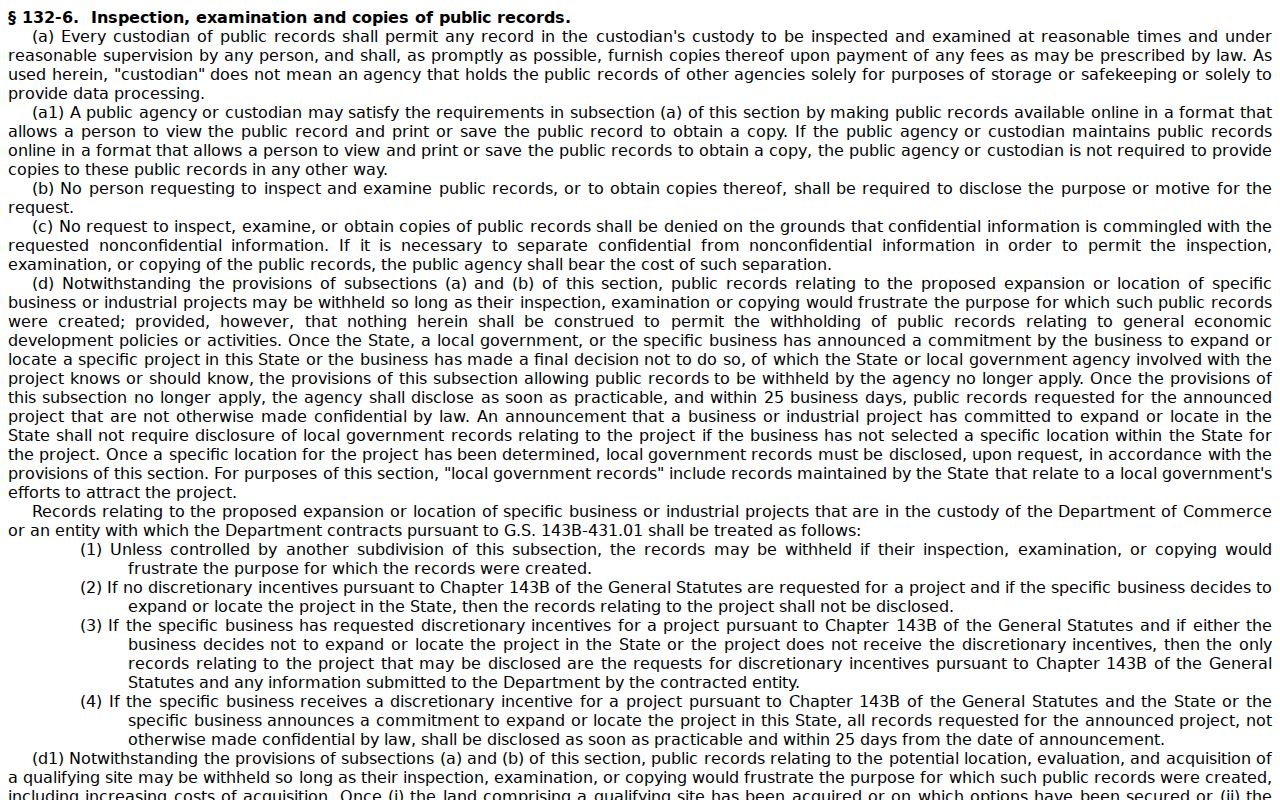
The Mecklenburg public-records request portal is a county routing option. For town-held material, contact the Huntersville clerk with the same narrow description instead of assuming a county department keeps it.
Huntersville Street Records After Renaming
Address text can drift even when the parcel remains the same. Effective May 1, 2025, former North Main became Thread Lane and former South Main became Combs Lane. Search both names in directories, deeds, permits, and local-history materials. When results disagree, use the PID, subdivision or plat name, and legal description to decide whether they concern the same land. Address Management also avoids duplicate or too-similar street names across Mecklenburg County, which makes the official address data more reliable than a guessed suffix.
The Office of Tax Administration succeeded the separate assessor and tax collector offices on July 1, 2026. The Mecklenburg Office of Tax Administration is the current county label.
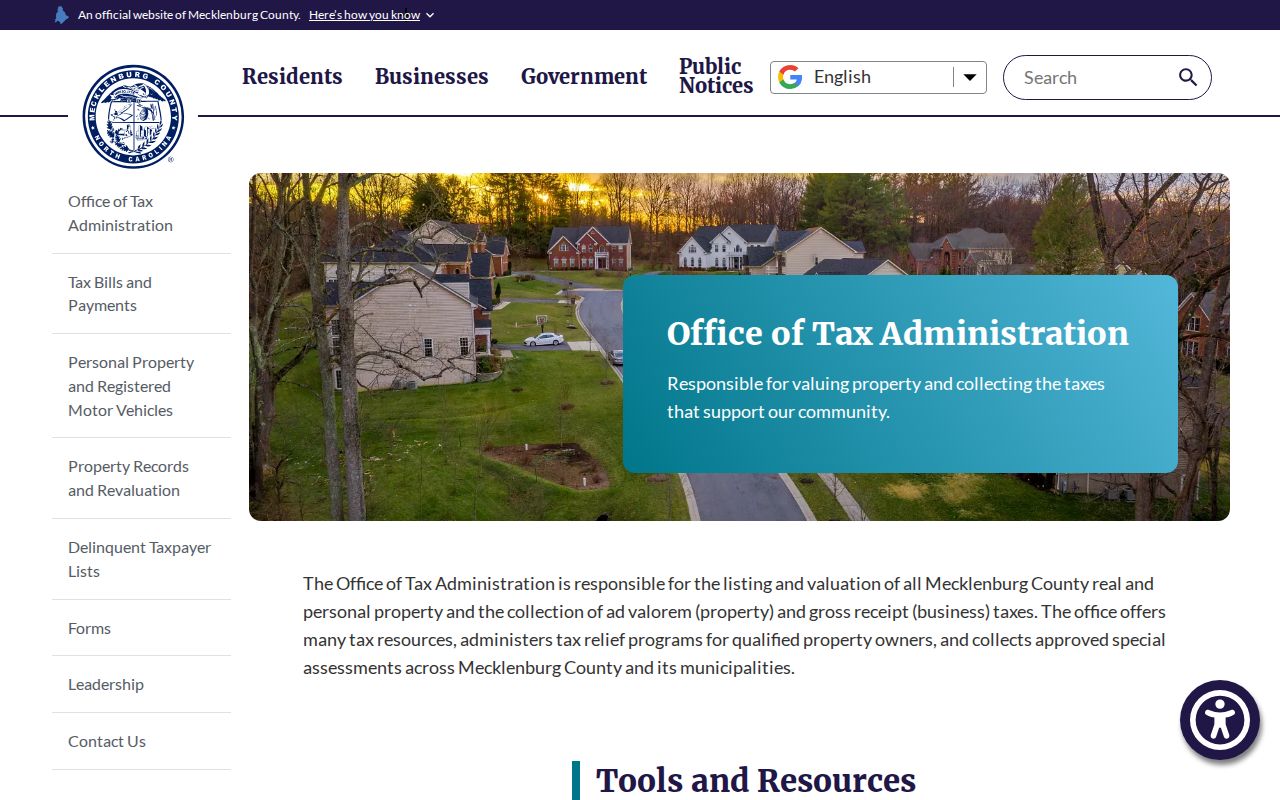
Older notices and search results can still use the former office names, so the office function and parcel record are better guides than the label alone.
Huntersville Permit Records in Transition
County permit history has a split route. The older WebPermit search uses street number and street name or parcel number, while newer records have moved toward AccelaMeck. Code Enforcement says online document research generally reaches the last six years and can include permit applications and certificates of occupancy or compliance. Older or specialized records may need a form, walk-in research, microfiche, mainframe, maps, copies, or another archive route.
The documented WebPermit address search remains useful for its archived address and parcel route. Do not treat an applicant, contractor, designer, or past owner in a permit as proof of who lives at the property.
Note: Search a street number and street name without a suffix when the legacy form asks for a broad address search.
Huntersville Resident Privacy Boundaries
Open records still have protected edges. The North Carolina Address Confidentiality Program can provide a substitute address and mail forwarding for qualifying survivors, and protected voter treatment can remove expected address fields. Voter records also withhold full date of birth, Social Security information, registration agency, email, identification copies, and driver-license numbers. Recorded documents have a separate redaction process for specified sensitive data.
Missing data is not permission to infer a protected address. Confirm a record with its custodian, avoid publishing personal details, and use the correction or request process when a county or state record needs review.